🧠 What Is Neurofeedback?
Neurofeedback is a form of brain training that uses real-time feedback to help your brain regulate itself. It’s based on EEG (electroencephalography) — a method of measuring electrical activity in the brain.
When your brain isn’t functioning efficiently — whether due to stress, trauma, ADHD, anxiety, or other disruptions — neurofeedback provides information to help it shift back into balance.
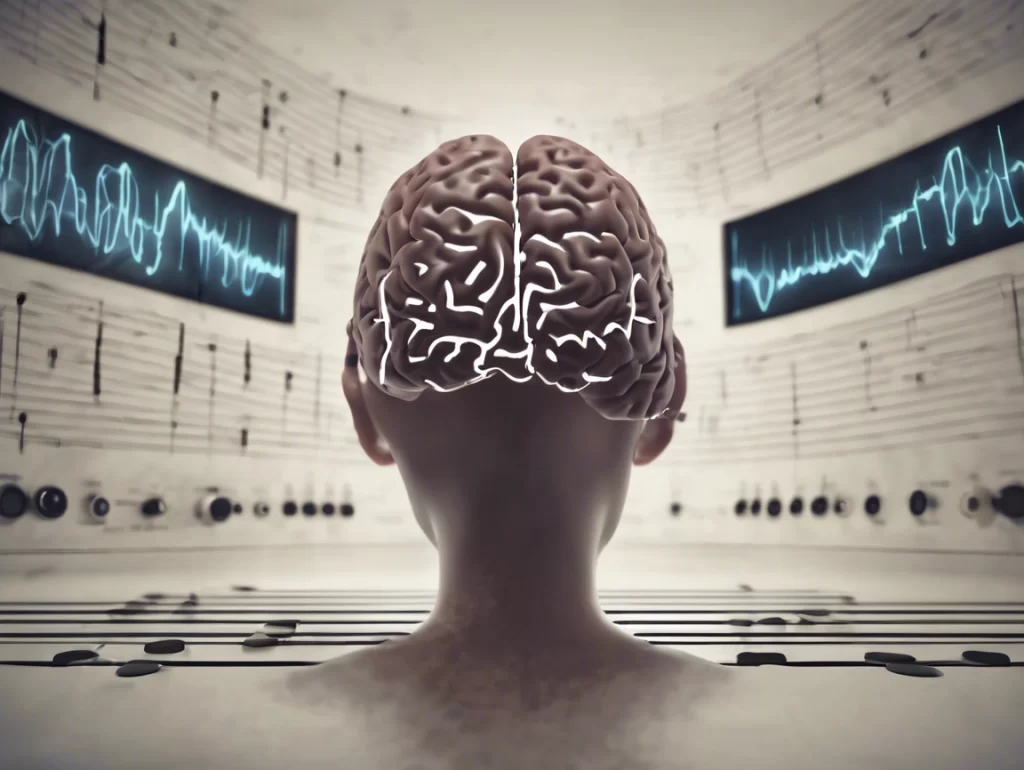
Imagine your brain like a musical orchestra. If one section is out of tune, the whole piece feels off. Neurofeedback helps the brain “hear” itself and correct the discord.
💡 How Does It Work?
- QEEG Brain Mapping
The process starts with a brain map — a QEEG. This shows us where there’s too much or too little activity, or areas that aren’t communicating well.
- Individualized Protocol
Based on that map, we create a neurofeedback training plan. It’s like a workout routine tailored specifically to your brain’s unique patterns.
- Real-Time Feedback During Sessions
During training, you’re connected to sensors while you watch a movie, listen to music, or play a game.
When your brain shifts into healthier activity, the screen gets brighter or the audio gets clearer.
When it slips back into inefficient patterns, the feedback dims.
Over time, your brain learns — without effort from you — to prefer those healthy states. And it starts doing it automatically in daily life.
👨👩👧👦 Who Can Benefit?
Neurofeedback has shown promising results for:
- ADHD
- Anxiety
- Depression
- Sleep disorders
- Trauma/PTSD
- Peak performance (athletes, CEOs, students)
- Brain fog & cognitive decline
- Concussion recovery
It’s used by professionals, parents, kids, first responders, veterans, and anyone seeking improved mental clarity or emotional balance.
📊 What Does the Research Say?
Studies have shown that neurofeedback can help reduce symptoms of ADHD, anxiety, and PTSD, and improve cognitive flexibility and emotional regulation.
✅ A 2022 meta-analysis (Zafarmand et al.) on OCD and neurofeedback showed promising changes in key brain areas involved in emotional control.
✅ Double-blind trials in ADHD populations show that neurofeedback outperforms sham conditions when proper training protocols are used.
✅ Peak performance experts, including Olympic teams and military operators, use neurofeedback to sharpen reaction times and decision-making.
While it’s not a cure-all, it’s increasingly respected as a non-invasive, medication-free tool for brain regulation.
⏳ When Will I See Results?
It varies, but typical timelines are:
- Initial improvements: 3–5 sessions
- Consistent changes: 8–12 sessions
- Long-term gains: 20–40 sessions
Just like physical training, consistency matters. Results build over time — and for many, they last long after the training is done.
🧪 Is It Safe?
Yes — neurofeedback is completely non-invasive. No shocks, no chemicals, no side effects.
It simply gives your brain a mirror, and your brain does the rest. You don’t feel anything during the session — you just train passively while watching or listening.
🔄 Neurofeedback vs. Medication
Unlike medication, neurofeedback teaches the brain to regulate itself — not to rely on an outside substance.
- 🧠 Medication: Alters brain chemistry temporarily
- 🧠 Neurofeedback: Helps the brain change its own patterns
That makes it a great standalone option for some, and an amazing adjunct to therapy or other care for others.
📍 Where Can I Try It?
Scottsdale Neurofeedback Institute has been helping people since 1995, using custom QEEG mapping and advanced protocols to guide brain training. Each session is tailored, tracked, and supported by clinical insights.
Whether you’re dealing with stress, focus issues, or looking for a performance edge, we’re here to help.
🎯 Final Thought
You train your body at the gym. You train your skills in your career.
Why not train your brain?
With neurofeedback, you’re not just managing symptoms — you’re helping your brain become stronger, calmer, and more efficient from the inside out.